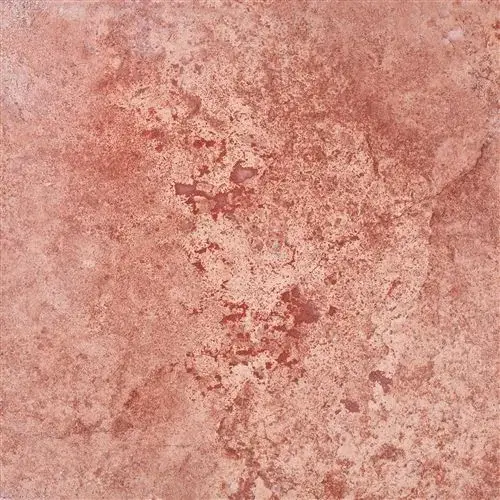
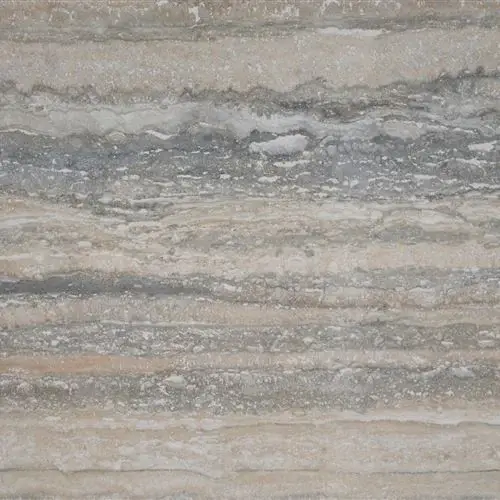
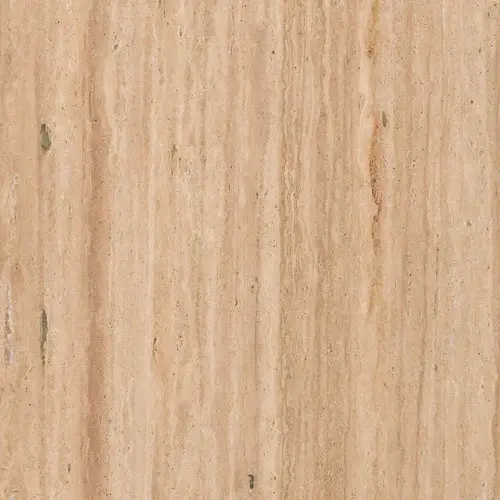
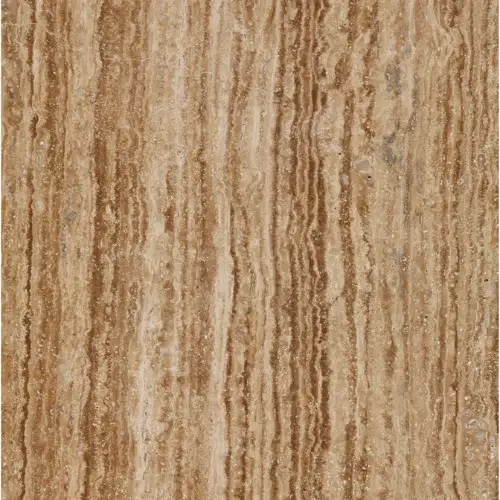
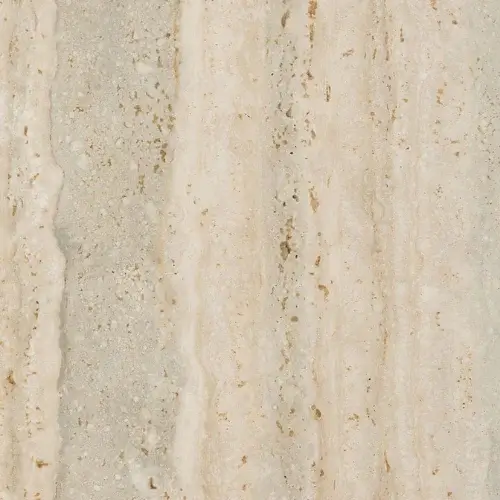
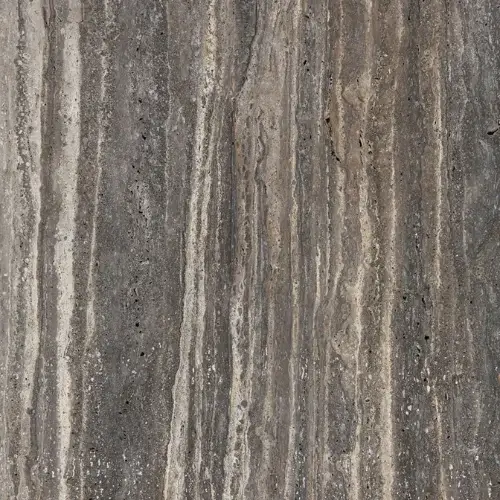
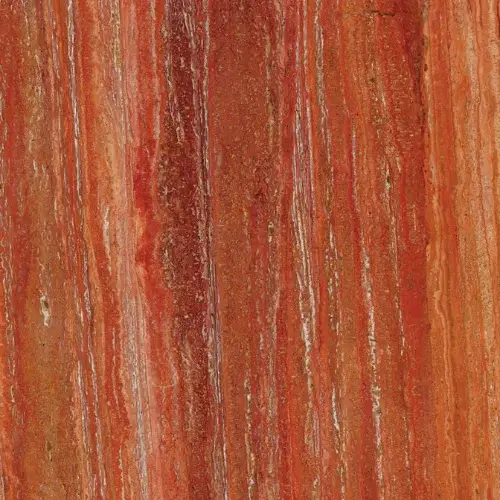
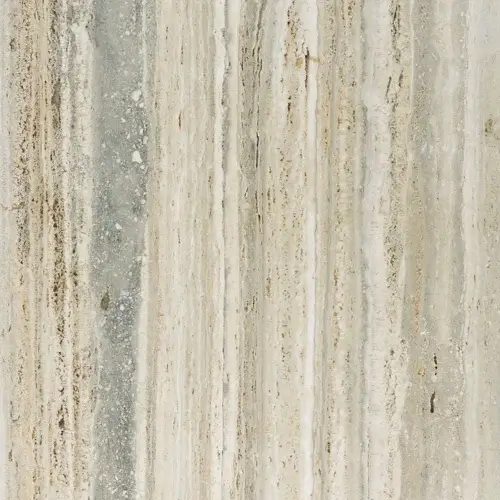
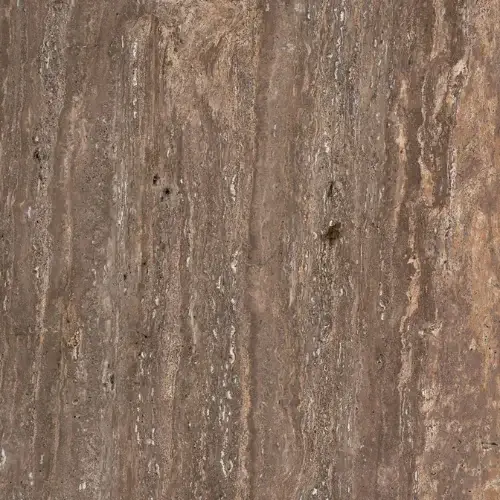
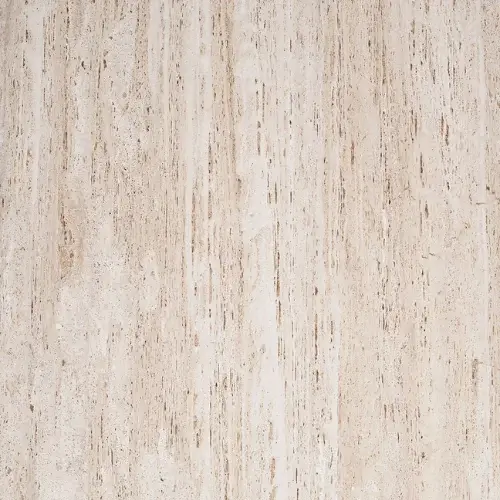
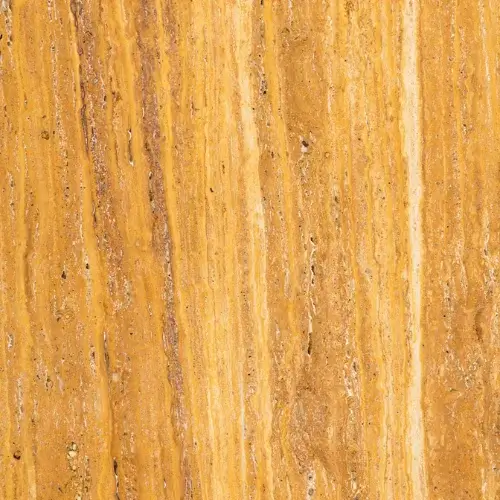
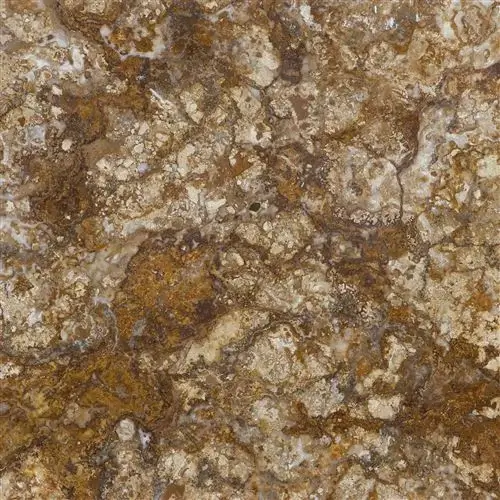
The warmth of the earth, shaped in stone. Natural travertine in classic, vein-cut and cross-cut expressions, with warm tones, organic movement and characteristic texture.
Indicative Rate
₹ __ – ₹ __ / sq ft
Finish
Thickness
Live Slab Selection
OR REQUEST A CALLBACK
Slab sizes & specs
Typical slab size: approx. 2400 mm × 1200 mm, with sizes varying by block and cut
Thickness: 18 mm, 20 mm
Finish: depends on the application and selection
Custom cut-to-size dimensions and tiles available on request
Natural pores, pitting and tonal variation are characteristic of travertine
Care & maintenance
Seal after installation and re-seal periodically, especially for outdoor use
Clean with a pH-neutral stone cleaner and a soft cloth
Wipe spills promptly, especially acidic ones
Avoid abrasive pads and harsh chemical cleaners
Pores may be filled or left natural depending on the finish, so confirm the treatment for your application
Designed For
Architects, interior designers, luxury homeowners, hospitality designers, resort projects, villas, landscape designers and premium outdoor projects, especially Mediterranean and earthy contemporary architecture.
The Warmth of the Earth
Dune represents the earthy, tactile side of Setu. Travertine brings natural warmth, texture and geological character into architecture, in tones of cream, tan, brown and grey.
Honest, Natural Character
Its appeal rests on material honesty rather than perfection. Characteristic pores, natural veining and tonal variation give the stone an aged, timeless presence.
Three Cuts, Interior to Exterior
Available in classic, vein-cut and cross-cut expressions, travertine moves easily between interior spaces and outdoor environments, from refined residences and hospitality interiors to facades, patios and pool areas.
Material Profile
Base: Warm earthy tones: creams, tans, browns and greys
Veining: Natural veining and organic movement, varying by cut
Texture: Natural pores and pitting with a tactile surface
Finish: Material-dependent, established at product level
Origin: Sourced from India
Add Application Section
Flooring and wall cladding
Feature walls
Countertops and vanities
Hotel and residential interiors
Exterior applications: patios, pool areas and garden pathways
Frequently Asked Questions
What is the difference between classic, vein-cut and cross-cut travertine?
They are different ways of cutting the same stone. Vein-cut typically shows linear, banded veining, while cross-cut shows a softer, more cloud-like pattern. Classic is the traditional presentation.
Can travertine be used outdoors?
Yes. Exterior applications such as patios, pool areas and garden pathways are among its recommended uses, and it also works for facades and cladding.
What finishes is Dune travertine available in?
Finish depends on the application and the material selection, so it is confirmed at product level. Contact us for what is available.
Are the pores and pitting a defect?
No. They are characteristic of natural travertine and part of its tactile, timeless appeal.
Can travertine be used for countertops and vanities?
Yes. Countertops and vanities are among its applications. Sealing and regular care are recommended to keep the surface looking its best.
What is the pricing range for Dune travertine?
Pricing depends on the cut, thickness, finish and quantity. Chat with us on WhatsApp or request a callback for a project quote.
Discover our latest designs, product specs, and pricing details. Fill in your details below to get the full catalogue delivered straight to your inbox instantly.